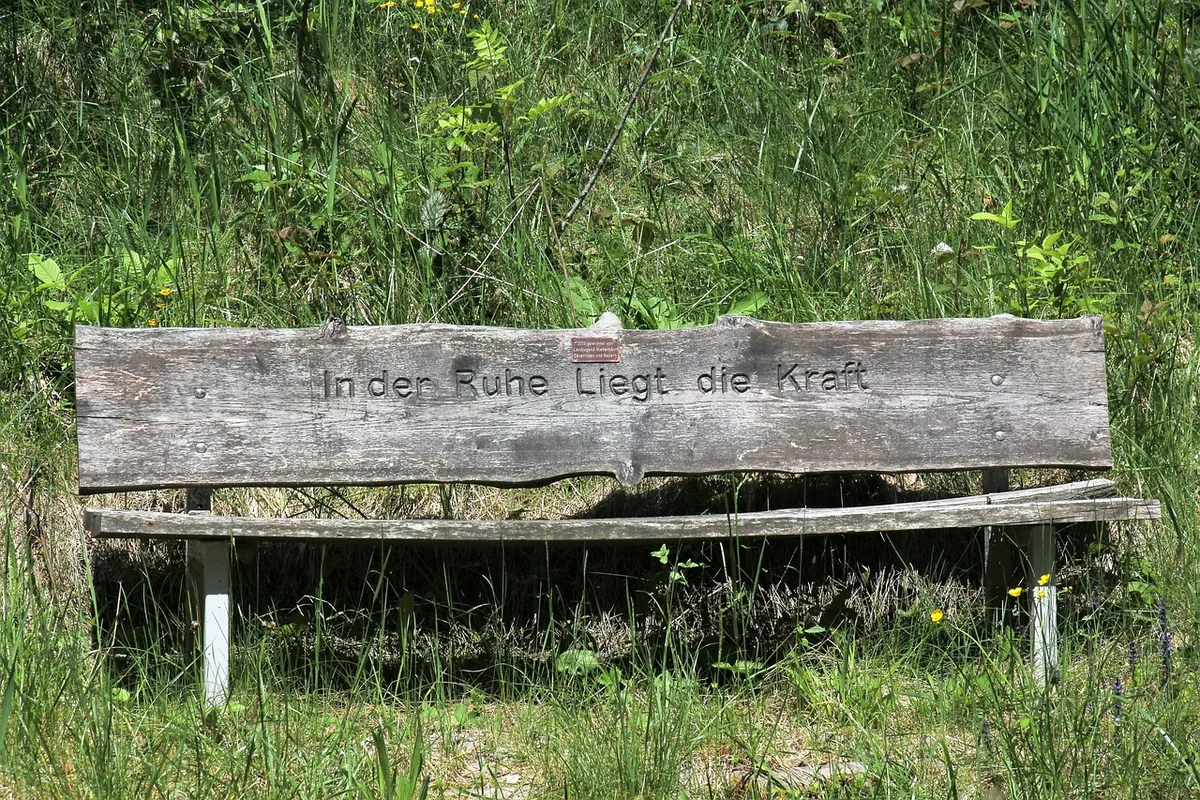
A wooden bench can shrug off decades of British weather. It can also be wrecked in one wet winter. The difference is almost never luck. It is what happens in October, while the timber is still dry enough to work with and the rain is merely promised rather than endless.
Cold and damp do their damage slowly and quietly: water seeps into end grain, sits in joints, feeds algae in shaded corners and freezes overnight. Everything below is aimed at one simple idea — keep water out, and let anything that gets in escape again.
Inspect the Bench Before You Cover Anything
Start with your hands. Run them along the arms, the seat slats, the underside and the feet. Press a small screwdriver into any dark or soft-looking patch. If it sinks easily, you are looking at rot rather than surface staining, and no amount of oil will fix it.
Check the joints too. Rock the bench gently and watch where movement happens; loose joints and wobbly bolts hold water and get worse with every freeze. Tighten what you can and note anything that needs a proper repair before spring.
Places water collects
- Flat arm tops and wide rails where rain pools
- End grain on legs and slats, which drinks water fastest
- Feet standing directly on soil, grass or concrete
- Fixings and screw holes, especially where rust has started
- The underside, which almost never dries out fully
Clean It Properly, Then Let It Dry
Never treat or cover a dirty bench. Warm water with a little washing-up liquid and a soft brush will lift most grime; use a slightly stiffer brush along the grain for grooves and edges. Rinse with clean water rather than leaving soap residue behind.
Skip the pressure washer on softwood, on older timber and anywhere near loose joints. It forces water deep into the grain and raises the surface fibres, which then dry rough and hold dirt.
Then wait. Really wait. Two or three dry, breezy days with the bench lifted onto battens so air moves underneath will do more for its longevity than a rushed coat of oil on damp wood. If the timber still feels cool and clammy, it is not ready.
Treat the Wood While There's Still Warmth
What you use depends on the wood and what is already on it. Bare hardwood such as teak, iroko or oak is usually fed with a penetrating oil. Pressure-treated and softwood garden benches generally do better with a coloured wood stain or a garden furniture oil. Anything previously painted needs repainting, not oiling.
A few rules matter more than the brand:
- Work on a dry day, with dry timber, and aim for temperatures in double figures — most oils and stains will not cure properly in the cold.
- Apply thin coats with a brush or cloth, working along the grain, and wipe off any excess before it turns tacky.
- Give end grain two or three coats. It soaks up far more than the flat surfaces.
- Let each coat dry fully before the next, and follow the drying times on the tin.
When you have finished, flick a few drops of water onto the seat. If they bead and sit, the wood is protected. If they soak straight in, it wants another coat.
Covers: Breathable, Raised, or Not at All
The instinct to throw a tarpaulin over a bench for the winter is understandable and usually a mistake. Plastic sheeting is waterproof but not breathable, so moisture in the wood and in the air beneath it has nowhere to go. The result is condensation, black staining and mould by January.
If you do want to cover the bench, choose a breathable outdoor furniture cover sized for the piece, and raise it slightly so air can circulate underneath. A simple frame of battens, or a couple of upturned plant pots under the cover, keeps fabric off the seat and stops water pooling in the middle. Never wrap a bench in bin bags or tight plastic.
Mould, Algae and the Green Film
Grey-black patches, a slippery green film and dark speckles are all signs of damp sitting on the surface for too long. They are a symptom rather than the problem: if mould returns within weeks, the bench is simply sitting somewhere that never dries out.
Clean affected timber with a product made for wooden garden furniture, following the instructions, and scrub along the grain. Wear gloves and a mask, work outdoors or with good ventilation, and keep children and pets away until the surface is rinsed and dry. Household bleach will kill spores but can bleach and soften bare wood and leave a residue that interferes with the next coat of oil, so use it cautiously, if at all. If mould is extensive, indoors, or you have a respiratory condition, seek professional advice.
Storing It Away, or Leaving It Out
A bench that lives in a garage or shed over winter will last years longer, provided the storage is dry and ventilated. Stand it on battens or pallets rather than directly on a concrete floor, which wicks moisture upwards, and keep it away from walls that stay damp. Dry the timber thoroughly first, and store cushions and pads indoors — fabric left outside is where most mould problems begin.
If the bench stays out, position is everything. Move it away from dripping gutters, overhanging branches and piles of wet leaves. Stand the feet on slabs or rubber feet rather than soil or grass, and avoid the permanently shaded north side of a building if you can. Brush snow off with a soft broom instead of letting it melt and refreeze in the joints, and never chip ice off the surface with a scraper.
A Simple Autumn Checklist
- Inspect for rot, movement and rust, then tighten or repair.
- Clean with soapy water, rinse, and dry for two or three dry days off the ground.
- Treat with oil, stain or paint while the weather is still mild.
- Move the bench to a well-drained, airy spot, or store it dry indoors.
- Take cushions inside, and cover only with something breathable.
- Check it monthly through winter — a quick wipe and a look at the feet takes minutes.
Ten minutes of attention now, while the wood is dry and the forecast is merely grim, will save you a far less pleasant job in February. Wood is forgiving. It simply prefers not to sit in water.
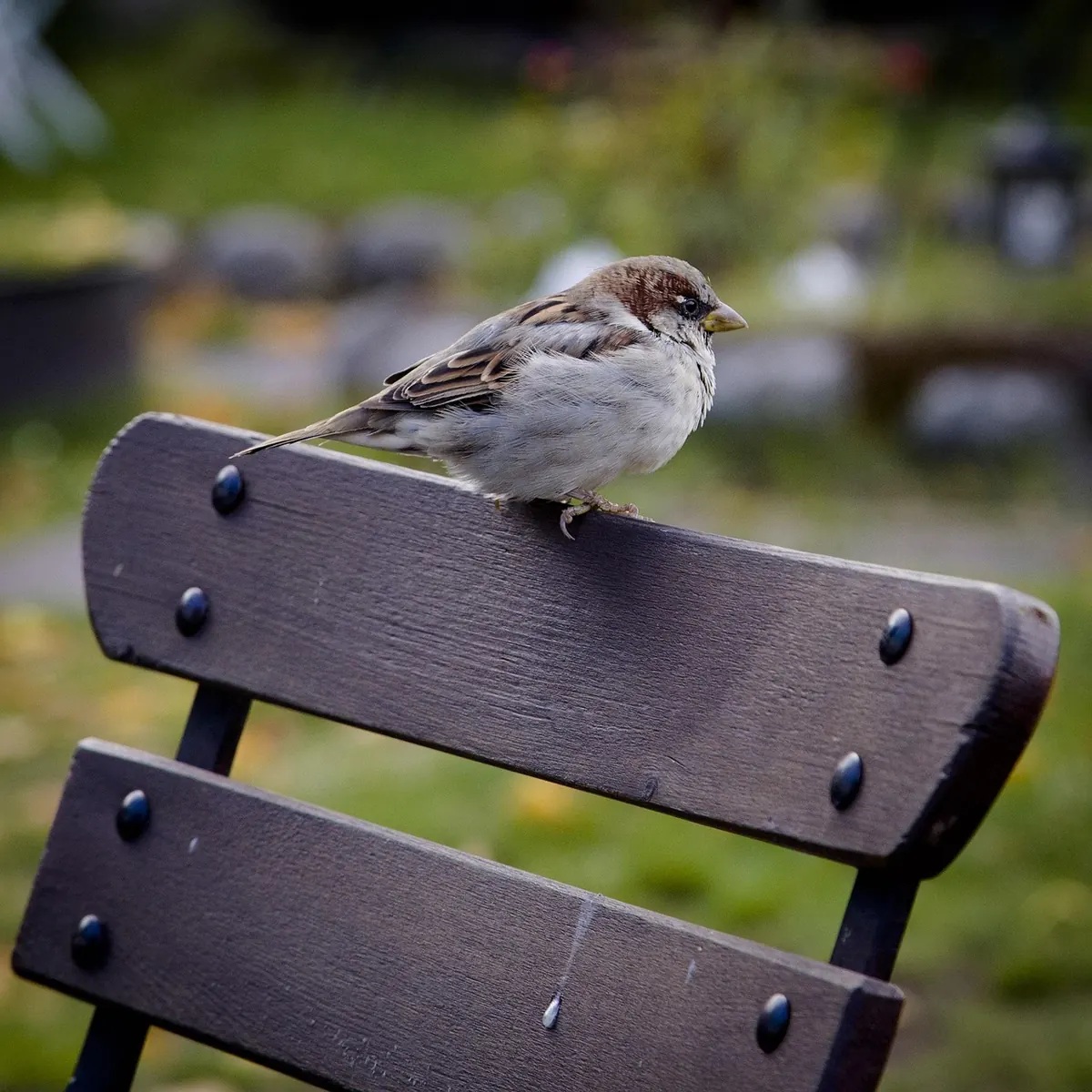
Photo: Surprising_Media / Pixabay