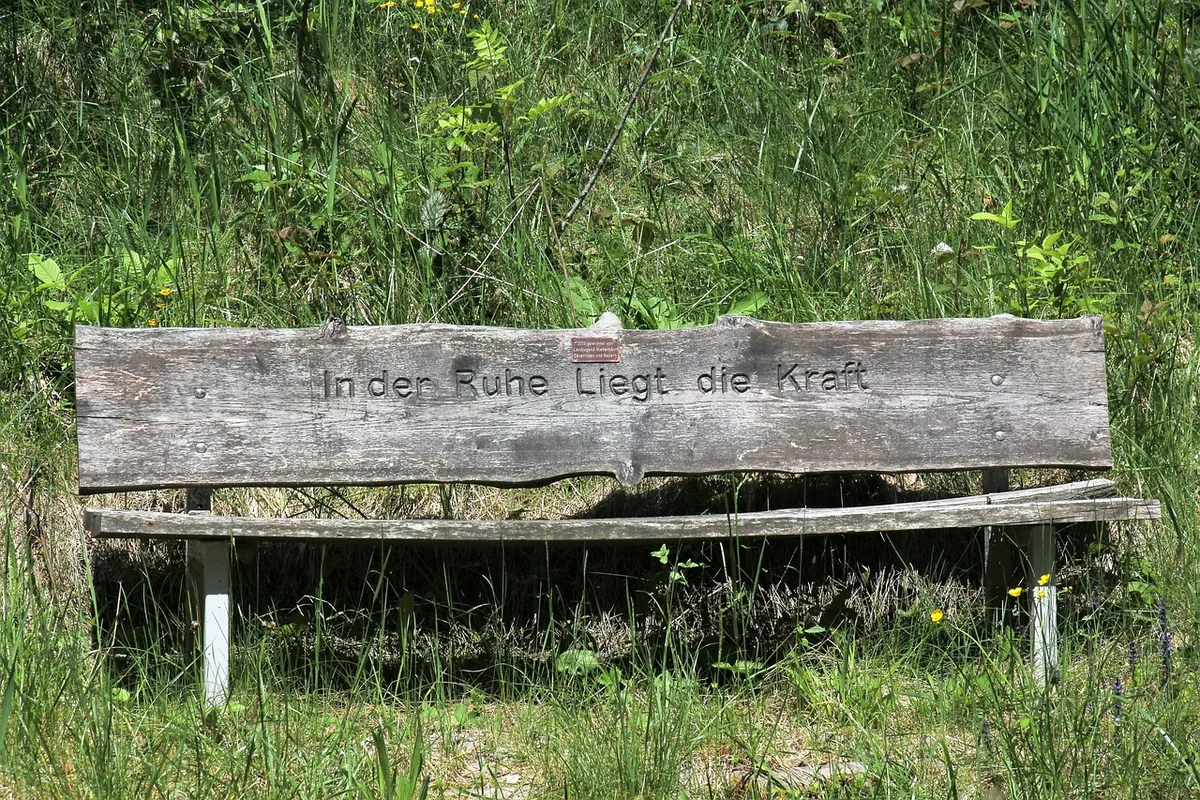
Pine is a softwood, and softwoods are honest about neglect. Leave a pine bench out through a wet winter with bare, dry timber and you'll find grey grain, hairline splits and soft black patches at the joints by spring. Give it a couple of hours of attention each year, though, and the same bench will sit out for a decade or more, warm-coloured and sound. The trick is timing: treat it before the weather turns, not after.
What follows is a season-by-season routine — what to do, when to do it, and what to leave alone.
Start With an Honest Look at the Timber
Before the first brush comes out, work out what you're dealing with. A new bench may be bare pine, or it may have been dipped in a thin factory preservative that will need replacing within a year. Run your hand over the seat: if the surface feels dry and chalky, or water soaks in instead of beading up, it's time to treat.
Also consider the wood itself. Teak, iroko and acacia can be left to silver with little input. Pine cannot. It's softer, more absorbent, and far more welcoming to mould and woodworm, so treat it as a yearly commitment rather than an occasional job.
Spring: Clean, Inspect, Sand
Spring is for stripping the winter off, not for sealing it in. Oil applied over dirt, mould or loose fibres simply traps the problem. Work through this in order:
- Brush out the gaps between slats, the joints where the legs meet the seat, and the feet. Dry leaves and grit hold water against the grain.
- Wash the whole bench with warm water and a squirt of washing-up liquid, using a stiff brush, then rinse. Skip the pressure washer on a high setting — it drives water into end grain and lifts soft fibres.
- Treat green or black mould with a diluted white vinegar solution or a garden fungicidal wash, then rinse thoroughly.
- Leave it to dry properly for two or three days. Damp timber will not take oil.
- Inspect as it dries: press a screwdriver into any dark patches to check for soft rot, and tighten or replace loose bolts. Swap rusty steel fixings for stainless ones while you're there.
Sanding
Sand weathered surfaces along the grain, starting with 80-grit paper on rough patches and finishing at around 150. Going finer than that polishes the surface and makes it harder for oil to soak in. Round off sharp edges slightly — they take the worst of the weather. Wipe away the dust with a damp cloth and let the timber dry again.
Late Spring: Oil or Stain?
Once the bench is clean, dry and smooth, it needs feeding. There are two sensible routes.
Exterior wood oil soaks into the grain, keeps the timber supple and lets the natural colour show. It offers limited UV protection, so expect some silvering, and it needs topping up once or twice a year. It's the easiest option to live with because it never flakes.
Pigmented stain or wood preservative sits closer to the surface, adds UV pigment and colour, and generally lasts longer between coats. It's the better choice if you want a specific shade or want to cover existing grey. Paint is a third option, but on a slatted bench it cracks, peels and becomes a sanding job every few years.
Applying Oil Properly
Pick a dry day above about 10°C — ideally 15°C or more — with no rain forecast for twenty-four hours. Apply thin coats with a brush, roller or lint-free cloth, working along the grain. Give it twenty to thirty minutes, then wipe off anything the timber hasn't absorbed; pooled oil turns tacky. Two thin coats with a few hours between them beat one thick one. Pay extra attention to end grain, feet and upward-facing surfaces, which drink far more than the rest.
A bench that dries quickly will outlast one that is coated twice as often.
Summer: Small Jobs, Big Savings
Summer is maintenance, not overhaul. Sprinkle a little water on the seat: if it beads, leave it alone. If it soaks straight in, a light top-up coat will see it through to autumn. The seat, the top of the backrest and the armrests take the brunt of the sun, so they're the first to look tired.
Use the long evenings for the jobs that get forgotten: tighten bolts, sand out raised grain and splinters, clear grass and soil away from the feet, and reposition sprinklers so they don't soak the bench every evening. A pine bench that stays wet through summer is already in trouble by autumn.
Autumn: The Treatment That Matters Most
If you do one thing all year, do this. An autumn coat, applied on a dry day in late September or October, gets the bench through the wet months with its grain sealed and its joints protected.
- Clear fallen leaves from between the slats and from around the feet — damp leaves stain timber and hold water against it.
- Lift the bench off soil or paving with rubber feet or small blocks, so air can move underneath.
- Clean and lightly sand any worn patches, then apply a full coat of oil or stain.
- Give the end grain of the legs and any cut surfaces a second application. This is where water gets in first.
If you can move the bench under a porch or into a sheltered corner for winter, do — but only somewhere with airflow. A stuffy shed corner can be damper than the garden.
Winter: Do Less, Watch More
Resist the urge to treat timber in cold, damp weather. Oil applied below about 10°C sits on the surface, stays sticky and can seal moisture in rather than keep it out. Leave it until spring unless you get a genuinely mild, dry spell.
What winter needs is observation. Sweep snow off rather than letting it sit and melt into the joints, and never chip ice off with a metal tool. Check the bench after storms for loose fixings and splits. If you cover it, use a breathable cover that doesn't rest directly on the seat — plastic sheeting traps condensation and does more harm than leaving the bench open to the weather.
Every few weeks, run a hand over the seat and look at the feet. Catching a small soft patch in January means a straightforward repair in April.
A Simple Calendar to Work From
None of this takes long. Spring is for cleaning and sanding, late spring for the first full coat, summer for a quick top-up on sun-facing surfaces, autumn for the important second coat, and winter for watching and clearing. Two hours spread across the year, spent at the right moments, is usually enough to keep a pine bench solid and good-looking for a decade or more.
And when the weather does its worst, don't panic about a bit of silvering. Grey surface grain is cosmetic. Soft timber, black patches and wobbly joints are the real warnings — deal with those quickly and the bench will earn its place for years.
Photo: dungthuyvunguyen / Pixabay